
Looking for Backyard Landscaping Ideas? Here Are 10 Things You Should Know First

Backyard landscaping ideas are easy to collect. You can save images of patios, fire pits, planting beds, pergolas, privacy screens, and beautiful gardens in minutes.
The harder part is deciding which ideas will work for your property.
A backyard needs to suit the way you live, the amount of time you want to spend maintaining it, your budget, and the conditions already present on the site. A design that looks beautiful in a photo may not be the right fit for your sunlight, soil, drainage, space, or daily routines.
Before you buy plants or begin construction, take time to understand these 10 important considerations.
1. Start With Your Actual Site
Before choosing a style, understand what you are working with.
Take basic measurements and note the shape of the property. Look for:
- Existing trees, shrubs, patios, and structures
- Changes in elevation or areas that slope
- Fences, gates, driveways, and neighboring properties
- Utility lines, drainage areas, and downspouts
- Doors and windows that connect the home to the yard
- Areas that stay wet, dry, sunny, or shaded
It is also helpful to observe how sunlight moves through the yard. A space that receives morning sun may have very different planting possibilities from one that receives strong afternoon light.
Good backyard landscaping begins with the conditions that are already there. Planning around them usually leads to a more successful and manageable result than trying to force the yard into a completely different set of conditions.
2. Decide How You Want to Use the Backyard
A backyard can serve several purposes, but it helps to identify your priorities before creating a layout.
Do you want space for outdoor dining? A comfortable place to relax? Room for children or pets to play? More privacy? A vegetable garden? A fire pit? A connection to a new patio or pergola?
Write down your essential needs first. Then create a second list of features that would be nice to include if space and budget allow.
For example:
Must have:
- A dining area close to the kitchen
- A safe area for children to play
- Screening from a neighboring property
Would be nice:
- A fire pit
- A small water feature
- Additional planting for pollinators
This simple distinction helps prevent a common problem: trying to fit every idea into one space. A thoughtful design gives the most important activities enough room to feel comfortable.
3. Pay Attention to Sun, Soil, and Climate
The best-looking plant is not always the best plant for your backyard.
Plant choices should be based on sunlight, soil, moisture, mature size, and local climate. The USDA Plant Hardiness Zone Map can provide a useful starting point, but your specific site conditions matter just as much.
When considering plants, ask:
- How much sun does this area receive?
- Does the soil drain well?
- How large will the plant become?
- How much water will it need once established?
- Will it tolerate the conditions in this part of the yard?
- Will it remain attractive throughout more than one season?
Native and climate-appropriate plants can often reduce water use and ongoing maintenance, but they still need to be matched to the right conditions. A plant suited to dry sun may struggle in a damp, shaded corner.
4. Be Honest About Maintenance
What does “low maintenance” mean to you?
For one homeowner, it may mean a garden that needs attention once a week. For another, it may mean a small number of planting beds, no lawn, and very little seasonal work.
Your maintenance preference should influence the design from the beginning. Consider:
- How often you want to water
- Whether you enjoy pruning and seasonal cleanup
- How much lawn you want to mow
- Whether you prefer containers or in-ground planting
- How much time you have during the growing season
- Whether you will maintain the garden yourself or hire help
Mulch, ground covers, durable paving, well-placed shrubs, and climate-appropriate plants can all help reduce maintenance. However, every garden requires some care. The goal is not to eliminate maintenance completely. It is to create a garden that fits realistically into your life.
For more ideas about simplifying garden care, explore Nature Sense Design’s garden resources and blog.
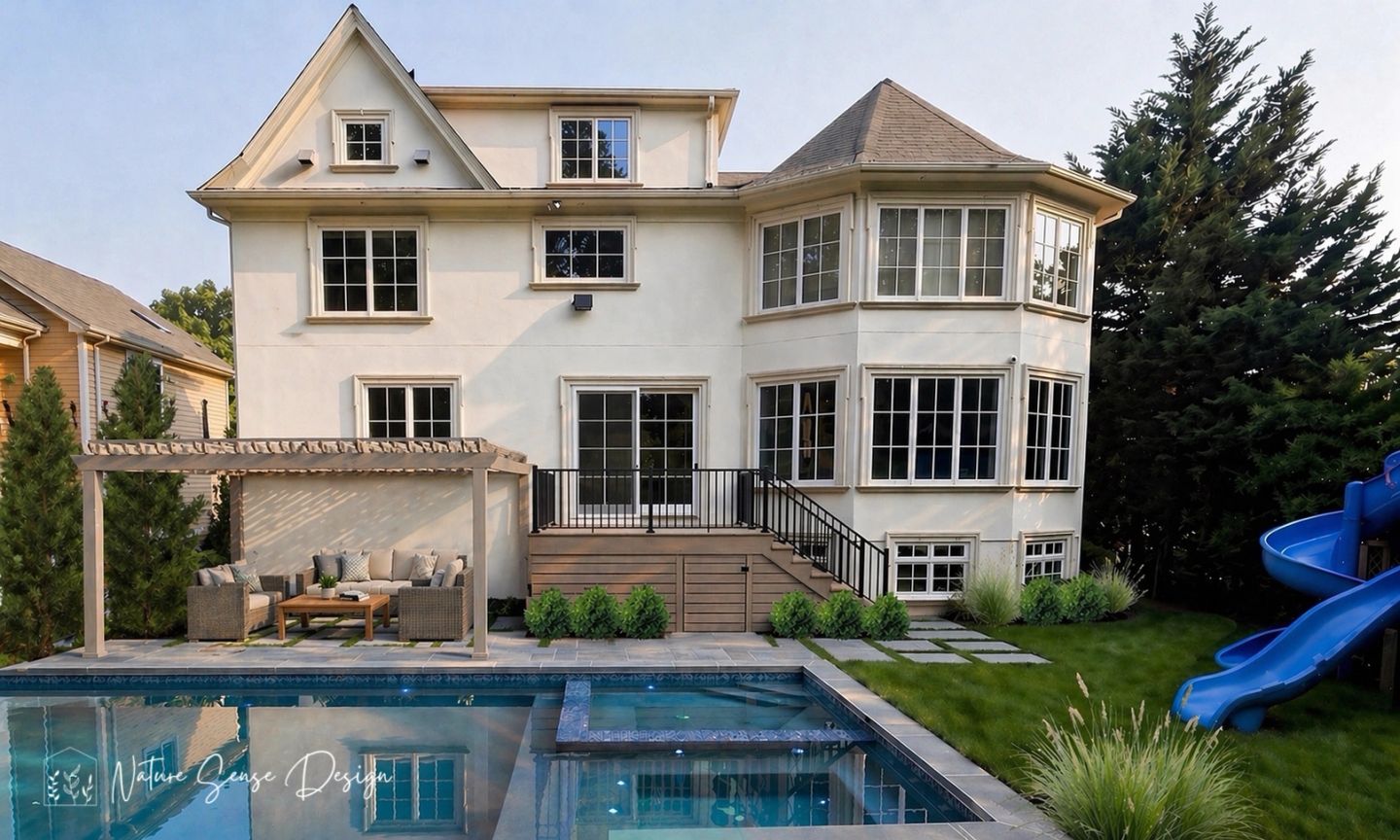
5. Create Zones Instead of One Undivided Space
A backyard often feels more useful when it is organized into distinct areas.
You might create:
- A dining zone near the house
- A lounge area under a pergola or tree
- A play area toward the side or back of the property
- Planting beds along the boundaries
- A quieter garden area for reading or relaxing
- A path that connects the different spaces
These areas do not need to be separated by solid walls. A change in paving, a planting bed, a low hedge, a screen, or a shift in furniture can help define each zone.
This approach is especially useful in a small backyard. Instead of making the entire space serve one purpose, you can create a clear sequence of uses that makes the yard feel more organized and intentional.
6. Plan the Layout Before Buying Materials
It is tempting to begin with a plant list or a favorite patio material. But the overall layout should come first.
Think about how people will move through the space. Where will you enter the backyard? How will you get from the kitchen to the dining area? Will there be enough room to walk around furniture? Can you reach planting beds for maintenance?
Paths should connect the places you use most often. Seating should be placed where it feels comfortable, not simply where there happens to be an empty corner.
A quick sketch can help you test different arrangements before making expensive decisions. For larger projects, a professional plan can show how patios, paths, planting, lighting, and outdoor furnishings work together.
The goal is a cohesive backyard rather than a collection of separate additions.
7. Check Drainage and Soil Before Planting
Poor drainage can affect both plants and hardscape. Water may collect near the house, wash out planting beds, or create muddy areas that are difficult to use.
Before planting or installing a patio, look for signs such as:
- Standing water after rain
- Erosion on slopes
- Soil that remains wet for long periods
- Compacted soil that is difficult to dig
- Water flowing toward the house
- Plants that repeatedly fail in the same area
A soil test may help you understand pH and nutrient conditions. In some cases, the solution may involve improving the soil. In others, it may require changing the layout, directing water elsewhere, or choosing plants that tolerate the existing conditions.
It is much easier to address these problems before new plants and surfaces are installed.
8. Set a Budget and Consider Phasing the Work
A complete backyard transformation does not always need to happen all at once.
Start by identifying the elements that will have the greatest impact. This may be a patio, a new path, privacy planting, drainage work, or a simple layout that makes the yard easier to use.
Then decide what can be added later.
A phased plan might look like this:
- Address drainage and grading
- Install the main patio or path
- Add trees and structural planting
- Complete privacy screening
- Add furnishings, lighting, or a pergola
- Fill in smaller planting areas over time
A clear plan can help you invest in the right order. It also reduces the risk of spending money on features that later need to be moved or removed.
For additional inspiration, Garden Design’s backyard planning guide offers examples of how different functions can be arranged in an outdoor space.
9. Connect the Backyard to Your Home
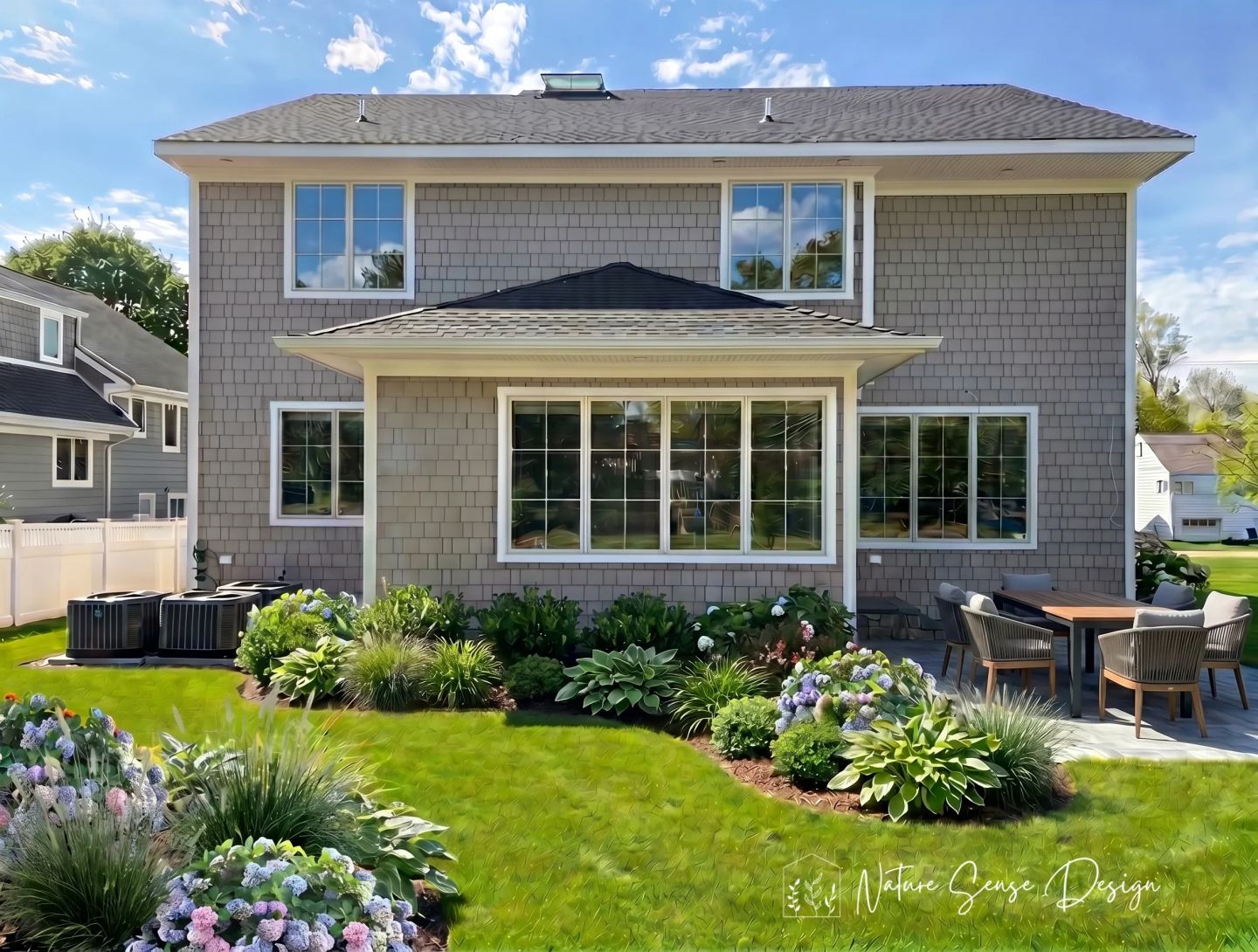
The backyard should feel related to the architecture of the house.
Look at the home’s materials, colors, window and door placement, and overall character. These details can guide decisions about:
- Patio and walkway materials
- Pergola finishes
- Fence and screening styles
- Outdoor furniture
- Plant shapes and colors
- Lighting fixtures
This does not mean the garden needs to match the house exactly. It means the elements should feel as though they belong together.
A modern home may work well with simple lines, restrained planting, and clean paving. A traditional home may suit softer planting, layered shrubs, and a more informal path. The right approach depends on the property and your preferences.
10. Remember the Details That Make the Space Usable
Some of the most important backyard decisions are easy to overlook because they are not always the first things you notice in a photo.
Think about:
- Outdoor lighting for paths, steps, and seating
- Shade from a tree, umbrella, or pergola
- Irrigation for planting beds
- Storage for tools, cushions, and toys
- Comfortable furniture sized for the space
- Electrical access for lighting or outdoor appliances
- Privacy from nearby homes
- Local requirements for structures, paving, and drainage
These details often determine whether a backyard is merely attractive or genuinely comfortable to use.
A pergola may add shade and structure. Lighting may allow you to enjoy the garden after sunset. Screening may make a dining area feel more private. Each element should support the way you want to live outdoors.
You Do Not Need to Have Everything Figured Out
What if you know your backyard is not working, but you are unsure what to do next?
That is a common place to begin. You do not need a finished style, plant list, or detailed plan before asking for help.
A Garden Consultation can help you walk through the property, discuss what feels unfinished or difficult, and identify practical next steps. If you want a complete plan, Nature Sense Design can create a custom design with renderings, plant selections, and an itemized plant list.
You can implement the plan yourself, share it with your landscaper, or complete the work in stages. If you live outside the local service area, Design From Anywhere uses your photos, measurements, and goals to create a tailored virtual garden plan.
The right backyard landscaping ideas are not simply the ones that look beautiful online. They are the ideas that make sense for your property, your routines, your budget, and the way you want to feel when you spend time outside.
If you are ready to talk through your space, you can contact Nature Sense Design. A few photos and a short description are enough to begin the conversation.