
How to Create a Front Yard Landscape Plan That Adds Curb Appeal
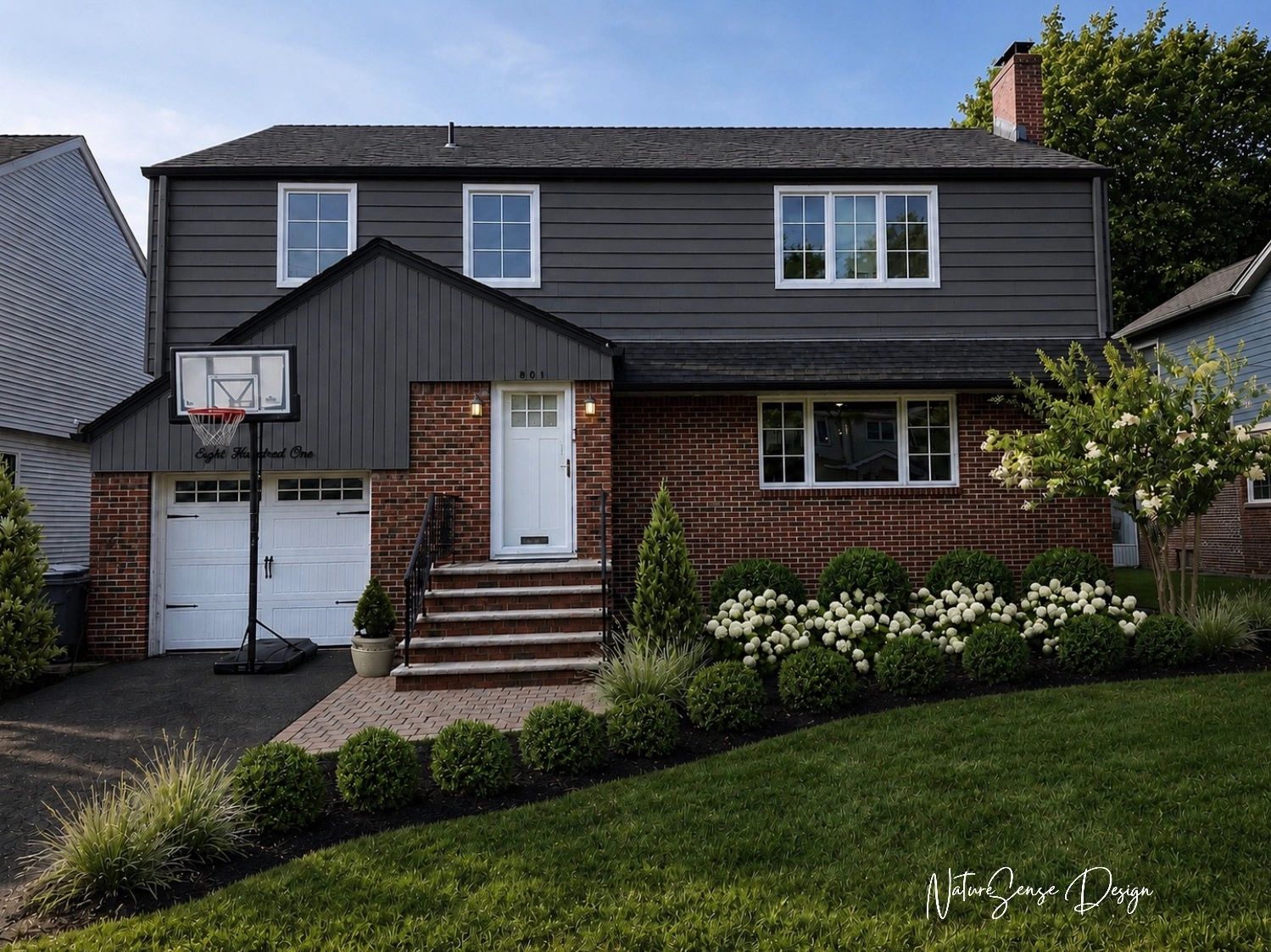
A welcoming front yard begins with a plan that connects the architecture, walkway, planting, and everyday use of the property.
Your front yard is often the first part of your home that people see. It shapes the arrival experience, frames the house from the street, and can influence how connected your property feels overall.
But creating curb appeal is not simply a matter of planting a few shrubs or adding a flower bed near the front door. A successful front yard landscape plan considers the full picture: the architecture of your home, the shape of the property, existing trees, sunlight, drainage, privacy, maintenance, and the way you want to use the space.
If your front yard feels unfinished or difficult to organize, that is completely normal. You do not need to know exactly which plants you want or what style to choose before you begin. A thoughtful plan can help turn a collection of separate decisions into a cohesive landscape.
Start With the Way You Want the Front Yard to Feel
Before choosing plants or materials, consider the experience you want to create.
Should the entry feel formal and structured? Soft and natural? Simple and low-maintenance? Do you want the front yard to highlight the architecture, provide privacy, welcome guests, or simply feel more complete?
A few useful questions include:
- Is the walkway easy and comfortable to use?
- Does the front door feel visible from the street?
- Are the foundation plants too large, too sparse, or mismatched?
- Do you want more privacy from the road or neighboring properties?
- How much time do you realistically want to spend maintaining the garden?
- Are there existing trees, shrubs, or hardscape elements you hope to keep?
- Would you prefer a finished design all at once, or a plan that can be completed in phases?
These answers help establish priorities before you spend money on plants or construction. They also make it easier to create a landscape that suits your lifestyle rather than copying a design that may not work for your property.
Study the Property Before You Draw the Plan
Every front yard has its own conditions. Two homes on the same street can receive different amounts of sunlight, have different drainage patterns, or require very different plant selections.
Walk around your property at different times of day and take note of:
- Full sun, part shade, and deep shade
- Areas where water collects after rain
- Slopes, steps, and changes in grade
- The condition and width of the driveway and front walk
- Existing trees and shrubs
- Views from the street and from the front windows
- Utility lines, downspouts, air-conditioning units, and other practical features
- Places where snow may be stored or cleared during winter
These details are especially important for homes in Bergen County and Northern New Jersey, where properties may include mature trees, compacted soil, sloped yards, and strong seasonal changes.
A plant that looks beautiful in a photograph may not be suitable for a shady foundation bed, a dry area beneath a mature tree, or a location exposed to road salt. Good landscape design starts with matching the right solution to the actual conditions.
Create a Clear Arrival Experience
The front walk is one of the most important parts of a front yard landscape plan. It guides visitors toward the entrance and helps connect the public side of the property with the home itself.
A walkway should be practical first. It needs to be comfortable, stable, easy to see, and sized appropriately for regular use. If space allows, a width that accommodates two people walking together can make the entry feel more generous.
The shape should support the architecture and the scale of the property:
- A straight path may suit a modern or formal home and create a direct connection to the front door.
- A gently curved path can soften a larger yard or create a more natural arrival.
- A path with a small landing may be helpful near steps or a porch.
- Low plantings along the edge can define the route without narrowing it.
Materials should relate to the home. Stone, brick, concrete, and gravel each create a different impression, and the best choice is usually one that complements existing colors and textures rather than competing with them.

A front walkway becomes more inviting when it is framed by planting that relates to the scale and character of the home.
Use Planting to Frame the Home, Not Hide It
Foundation planting should soften the base of the house and connect it to the rest of the landscape. It should not cover windows, block the front door, or grow into a shapeless wall against the building.
A layered planting scheme often works well:
- Small trees or taller shrubs can anchor corners or frame important views.
- Medium shrubs can provide structure near the foundation.
- Perennials and ornamental grasses can add movement, texture, and seasonal interest.
- Low edging plants or groundcovers can define the front of the bed.
Pay attention to mature size. A plant may look appropriately small at the nursery but become too large for a narrow foundation bed within a few years. Spacing plants according to their eventual size can help reduce pruning and keep the design looking intentional over time.
Evergreens can provide structure during the winter, while deciduous shrubs, flowering perennials, bulbs, and grasses bring seasonal changes throughout the year. The goal is not necessarily to have something blooming in every location at all times. A better approach is to create a dependable framework and add seasonal interest around it.
For homeowners concerned about deer, shade, or maintenance, plant selection should be adjusted accordingly. A personalized plan can help you avoid filling the garden with plants that require more care or protection than you want to provide.
Let the Architecture Guide the Design
A front yard should feel connected to the home. The planting style, path materials, and overall layout can reinforce the architecture rather than appearing as separate additions.
For a contemporary home, simple lines, restrained plant groupings, and repeated forms may create a stronger connection. A traditional or farmhouse-style home may work well with softer bed lines, layered shrubs, flowering plants, and a more relaxed mix of textures.
Repetition is useful in both styles. Repeating a shrub, perennial, or material in several areas can make the landscape feel organized. Without repetition, front yards can easily become a series of unrelated plant purchases.
The same principle applies to color. Choose a limited palette that relates to the house, roof, trim, or front door. This does not mean the garden has to be plain. It means that the different parts of the landscape work together instead of competing for attention.

Curved planting beds can soften the lines of a home while keeping the front entry clearly defined.
Keep Maintenance Part of the Plan
Curb appeal is not only about how the yard looks on installation day. It is also about how manageable it remains in the seasons that follow.
When planning the front yard, think about:
- How often shrubs will need pruning
- Whether plants need regular watering once established
- How much leaf cleanup the planting beds may require
- Whether the lawn is worth maintaining in areas that struggle
- How easily the beds can be accessed for weeding and seasonal care
- Whether plants are likely to outgrow their locations
- How the design will look in winter
A realistic landscape plan may use fewer plant varieties, larger groupings, and clearly defined beds. This can create a more cohesive appearance while making care easier.
Mulch, clean bed edges, and well-placed lighting can also make a meaningful difference. These details do not replace good design, but they help the finished landscape look cared for and complete.
Plan for the Budget You Have
A front yard does not need to be completed in one large project. In many cases, it makes sense to organize the work into phases.
For example, you might begin with:
- Improving the front walkway or entry steps
- Defining and preparing planting beds
- Installing the main shrubs and evergreen structure
- Adding perennials, bulbs, and ornamental grasses
- Introducing lighting, containers, or additional details later
A plan allows you to understand how these phases fit together before you begin. It can also help you prioritize the work that will have the greatest impact.
If drainage, grading, retaining walls, or major hardscape are involved, it is especially helpful to resolve those decisions before planting. Otherwise, new plants may need to be moved or replaced when construction begins.
When a Garden Designer Can Help
You may be able to make some front yard improvements yourself. A professional design plan becomes especially useful when the decisions feel connected and difficult to separate.
A garden designer can help you assess the property, talk through your priorities, identify what is worth keeping, and create a clear layout for planting and outdoor improvements. The plan may include measurements, digital renderings, plant selections, sourcing guidance, and practical implementation notes.
At Nature Sense Design, you can choose the level of support that fits your project. A focused garden consultation can provide clear next steps, while a complete in-person design can organize the full front yard. If you are outside the local area, Design From Anywhere uses your photos, measurements, and goals to create a custom plan remotely.
You also retain flexibility after the design is complete. You can implement the plan yourself, share it with your existing landscaper, or work with another professional of your choice.
A More Thoughtful Way to Improve Curb Appeal
The most successful front yard landscape plans do more than make a property look attractive from the street. They make the entry easier to use, connect the home to its surroundings, and establish a garden that can develop gracefully over time.
You do not need a finished vision before asking for help. Start by noticing what feels unfinished, difficult, or out of balance. From there, a thoughtful plan can help you make decisions with greater clarity and confidence.
If you are considering a front yard landscape design in Bergen County or Northern New Jersey, contact Nature Sense Design to talk through your property and the kind of support that would be most useful.

Layered planting can add color, softness, and seasonal presence while preserving a clear view of the home.